

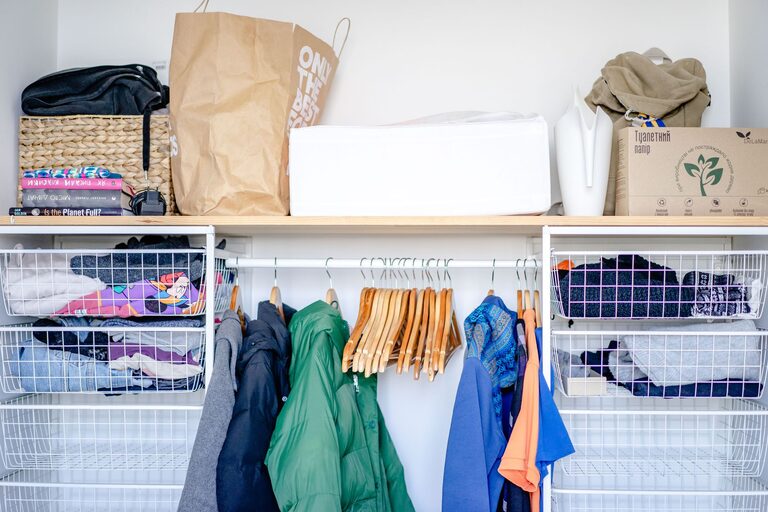
Storing seasonal clothes efficiently is key to keeping your home organized, maximizing space, and protecting your garments throughout the year. Whether you’re putting away bulky winter coats or delicate summer dresses, a few smart strategies can make the process easier and help your clothes stay in great condition until you need them again.
In this article, we’ll explore practical tips and storage solutions to help you store seasonal clothes efficiently, maintain your wardrobe, and create more space in your home.
Why Store Seasonal Clothes Properly?
Seasonal clothes are often bulky or delicate, and improper storage can lead to damage such as wrinkles, fading, mold, or even pests. Efficient storage:
– Saves space by keeping out-of-season items out of the way
– Protects clothes from damage
– Makes it easier to find what you need when the season changes
– Helps maintain a neat and organized closet
Now, let’s dive into how to store your seasonal clothes effectively.
Step 1: Sort and Declutter Before Storing
Before packing away your seasonal clothes, take time to sort through them. This is a great opportunity to declutter and refresh your wardrobe.
– Separate by category: Group clothes into types like sweaters, jackets, pants, dresses, etc.
– Assess condition: Look for stains, tears, or items that need repair.
– Decide what to keep: Donate, sell, or recycle clothes you haven’t worn in a year or don’t love anymore.
– Clean clothes thoroughly: Always wash or dry clean clothes before storage. Dirt or oils attract pests and cause stains.
Step 2: Choose the Right Storage Containers
Selecting appropriate containers is crucial to protect your clothes from dust, moisture, and pests.
Storage Options
– Plastic bins with airtight lids: Great for keeping out moisture and bugs. Clear bins are helpful to easily see contents.
– Vacuum-sealed bags: Save a lot of space by compressing bulky items such as sweaters and jackets. Just be cautious with delicate fabrics.
– Fabric storage bags: Breathable and ideal for delicate clothes that need air circulation.
– Cardboard boxes: Affordable but less protective; use only if stored in a clean, dry area.
Tips for Choosing Storage
– Avoid storing clothes in plastic bags (like dry cleaner bags) as they trap moisture.
– Label all containers with contents and season for quick identification.
– Use acid-free tissue paper to help prevent wrinkles and protect delicate fabrics.
Step 3: Prepare Clothes for Storage
Proper preparation helps keep clothes in top shape.
– Fold or roll clothes: Folding works well for structured items, while rolling is good for lightweight shirts or knitwear and saves space.
– Use moth repellents: Natural options like cedar blocks or lavender sachets discourage moths. Avoid chemical mothballs indoors due to strong odors.
– Place heavier items at the bottom: Stack bins to avoid crushing delicate fabrics.
– Avoid hanging delicate or knit items: They can stretch out over time.
Step 4: Find the Best Storage Location
Where you store your seasonal clothes matters for their preservation.
– Cool, dry places: Avoid basements or attics prone to humidity or temperature swings.
– Away from direct sunlight: Sunlight fades colors and weakens fabric fibers.
– Off the floor: Keep bins on shelves or pallets to prevent moisture damage.
– Good ventilation: Prevents mold and mildew buildup.
Step 5: Maintain Your Storage Throughout the Season
Efficient storage is not a one-time task. Check on your stored clothes periodically.
– Inspect for any signs of pests or moisture.
– Refresh moth repellents as needed.
– Rearrange containers if necessary to better utilize space.
Bonus Tips: Quick Access and Rotation
If you have limited storage space, consider keeping a small selection of transitional clothes accessible. Also, rotate seasonal items as the seasons change to avoid digging through bins frequently.
Conclusion
Storing seasonal clothes efficiently requires some planning but pays off with a clutter-free closet and well-maintained garments. By sorting carefully, using the right containers, preparing clothes properly, choosing the best location, and maintaining storage, you can enjoy an organized wardrobe all year long.
Start with a small batch this season and build your system over time. Your future self will thank you for the easy, stress-free wardrobe transitions!