

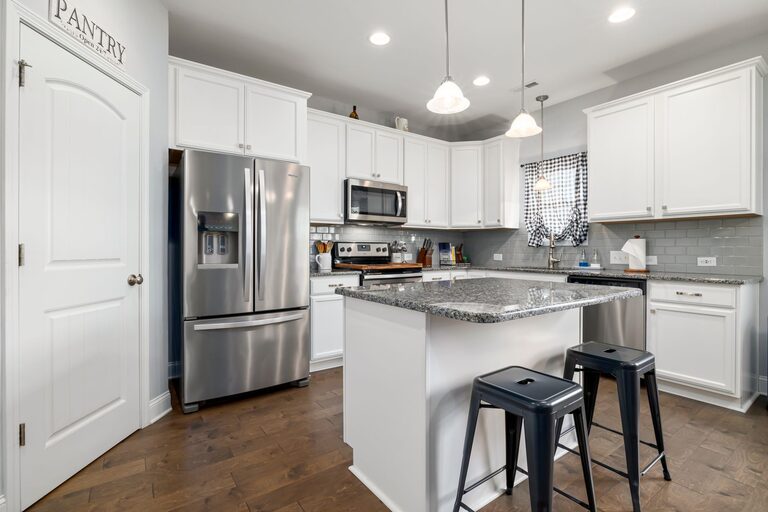
Keeping a tidy fridge and pantry can make a big difference in your daily routine. It helps reduce food waste, saves time when cooking, and creates a more pleasant kitchen environment. However, maintaining an organized space can feel overwhelming without a clear system. This guide offers straightforward tips and strategies to help you keep your fridge and pantry neat, functional, and easy to navigate.
Why Organizing Your Fridge and Pantry Matters
Before diving into tips, it’s worth understanding why it’s important to keep these areas organized:
– Prevents Food Waste: Knowing what you have helps you use items before they expire.
– Saves Money: Avoid buying duplicates of what is already in stock.
– Speeds Up Meal Prep: Quickly finding ingredients means a smoother cooking experience.
– Keeps Food Safe: Proper storage reduces the chance of spoilage and contamination.
– Enhances Kitchen Cleanliness: A tidy space is easier to clean and maintain.
How to Organize Your Fridge
The fridge is where perishable foods live, so organizing it properly is essential.
1. Clean Out Regularly
Start by emptying your fridge and wiping down shelves and drawers with a mild cleaning solution. Remove expired or spoiled items.
2. Group Similar Items Together
Sort your food into categories such as dairy, condiments, vegetables, meats, and leftovers. Keep these groups together to make locating items easier.
3. Use Clear Containers and Labels
Transfer items like chopped vegetables, sauces, or snacks into clear containers labeled with contents and date. This keeps the fridge tidy and helps track freshness.
4. Store Food in the Right Place
– Top shelves: Ready-to-eat foods such as drinks, leftovers, and ready meals.
– Middle shelves: Dairy products like milk, cheese, and yogurt.
– Bottom shelves: Raw meat and fish, stored in sealed containers to prevent drips.
– Crisper drawers: Fruits and vegetables. Some fridges have humidity controls—store leafy greens in high humidity and fruits in low.
– Door shelves: Condiments, juices, and small bottles (avoid storing milk here as temperature fluctuates).
5. Avoid Overcrowding
Allow space for air to circulate inside the fridge. Overloading can reduce efficiency and cause uneven cooling.
How to Organize Your Pantry
A well-arranged pantry helps you see all your food at a glance and plan meals efficiently.
1. Declutter First
Remove everything from your pantry and check expiration dates. Toss expired or stale products.
2. Group and Categorize
Sort items into categories like canned goods, pasta, baking supplies, snacks, spices, and cereals. This makes restocking and using items easier.
3. Use Storage Containers and Bins
Transfer items like grains, flour, sugar, and snacks into airtight containers. This keeps food fresh longer and reduces packaging clutter.
Bins or baskets are also helpful for grouping smaller or similar items such as snack packs or spice bottles.
4. Label Everything
Use labels to mark containers and shelves. This improves accessibility for everyone in your household.
5. Arrange by Frequency and Height
Place frequently used items at eye level or front of shelves for quick access. Store heavier or bulk items on lower shelves. Put rarely-used or special occasion items on higher shelves.
Maintenance Tips to Keep Your Fridge and Pantry Tidy
1. Schedule Weekly Checks
Take a few minutes once a week to clean spills, check for expired items, and put things back in their place.
2. Follow a First-In, First-Out Rule
When restocking, bring newer purchases to the back and move older items to the front. This helps prevent forgotten food.
3. Keep a Shopping List
Maintain an ongoing list of needed items to avoid impulse buys that clutter your pantry or fridge.
4. Use Clear Storage Options
Seeing what’s inside containers or baskets helps you remember what you have and avoid unnecessary duplicates.
5. Involve Family Members
Create an easy-to-follow system so everyone can help maintain organization.
Final Thoughts
A tidy fridge and pantry not only make your kitchen look better but also contribute to a healthier, more efficient lifestyle. By cleaning regularly, grouping items logically, and using practical storage solutions, anyone can keep their food spaces organized. Start small and develop habits that keep clutter at bay—your future self will thank you!
With these tips, you’ll find meal planning easier, food waste lower, and your kitchen a happier place to be. Happy organizing!